
How many restrooms does a county fair need in Boulder?
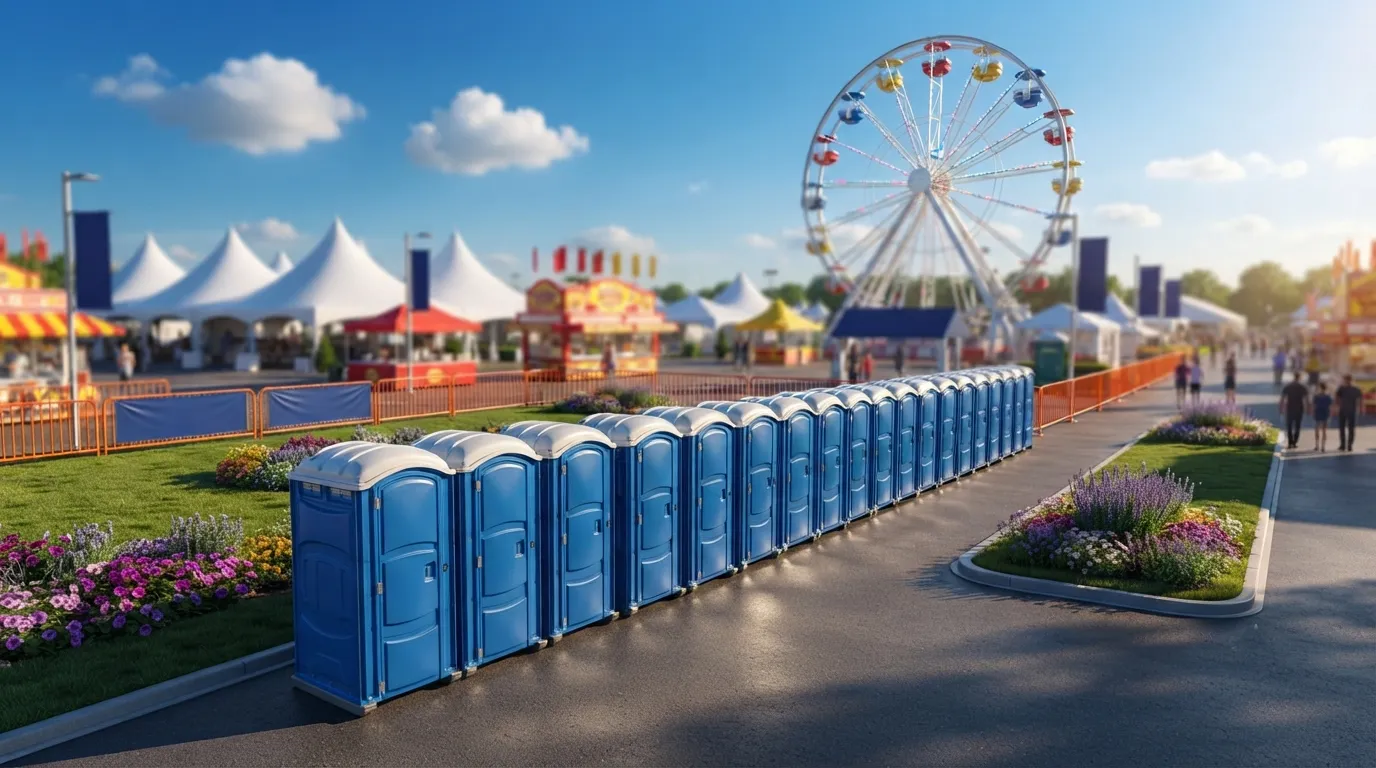
Start with attendance, then apply the ratio, not the other way around. OSHA 1926.51(c)(1) sets 1 toilet per 20 workers on a construction crew, and fair organizers in Boulder use that same math as a baseline for public events, scaling up for longer hours and food vendors. A three-day fair pulling steady crowds usually lands between 1 unit per 75 to 100 attendees at any one time, more if beer or food trucks are running. Boulder Porta Pros walks the grounds with you and counts gates, stages, livestock barns and food rows separately, because a fairground never has one crowd, it has six small ones. Livestock areas need their own cluster near wash-down points, and the midway needs units close enough that nobody abandons a line for a hedge. Standard units run $130 to $500 for a week rental depending on count and service frequency, and multi-day fairs typically book on a weekly rate rather than daily. At least 5 percent of any cluster of single-user units has to be accessible under ADA Standards 213.2, never fewer than one, and we place those on a stable, slip-resistant surface per ADA Standards 302.1, with a 60 inch turning circle nearby per ADA Standards 304.3.1. If your fair runs past dark, pair the restroom cluster with a light tower so the accessible route stays visible after the rides shut down.
What restroom options work best for a Boulder county fair?
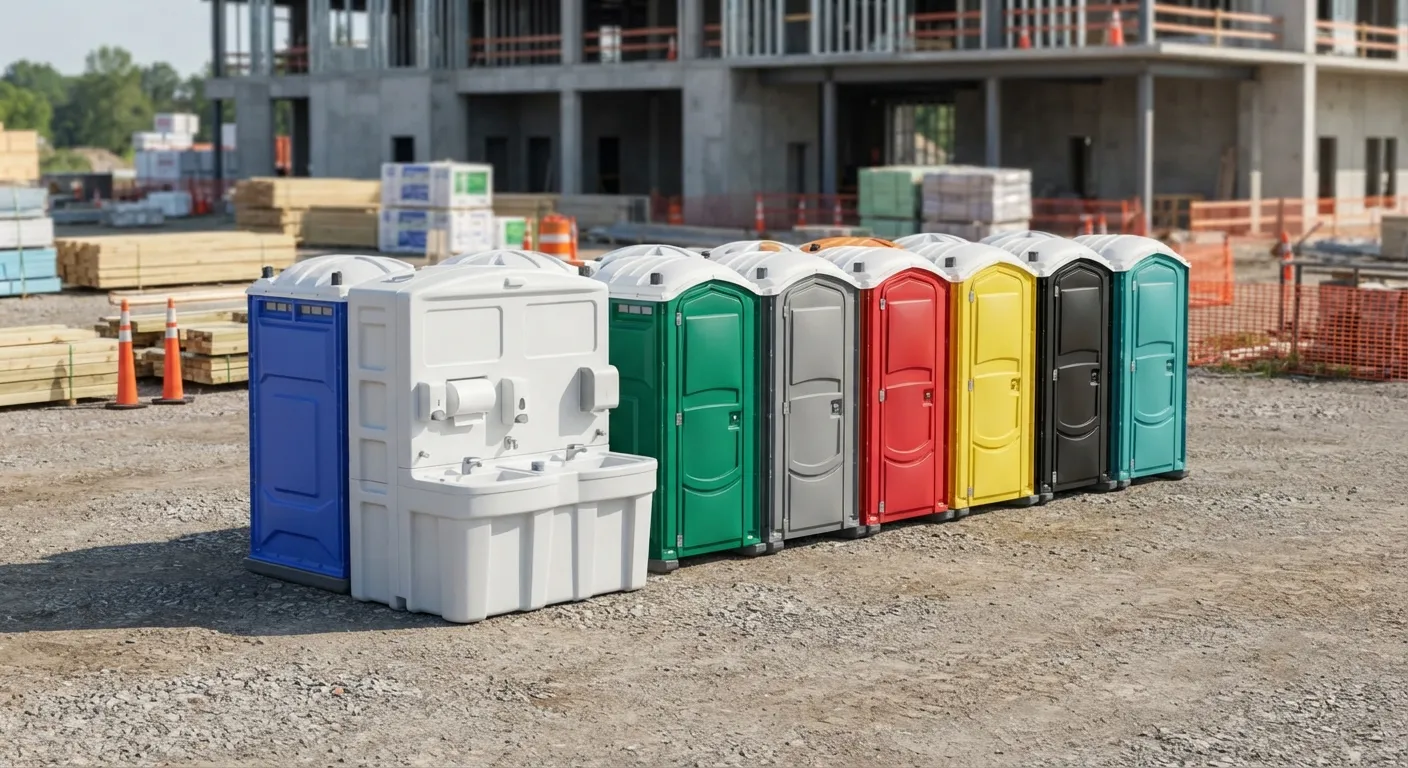
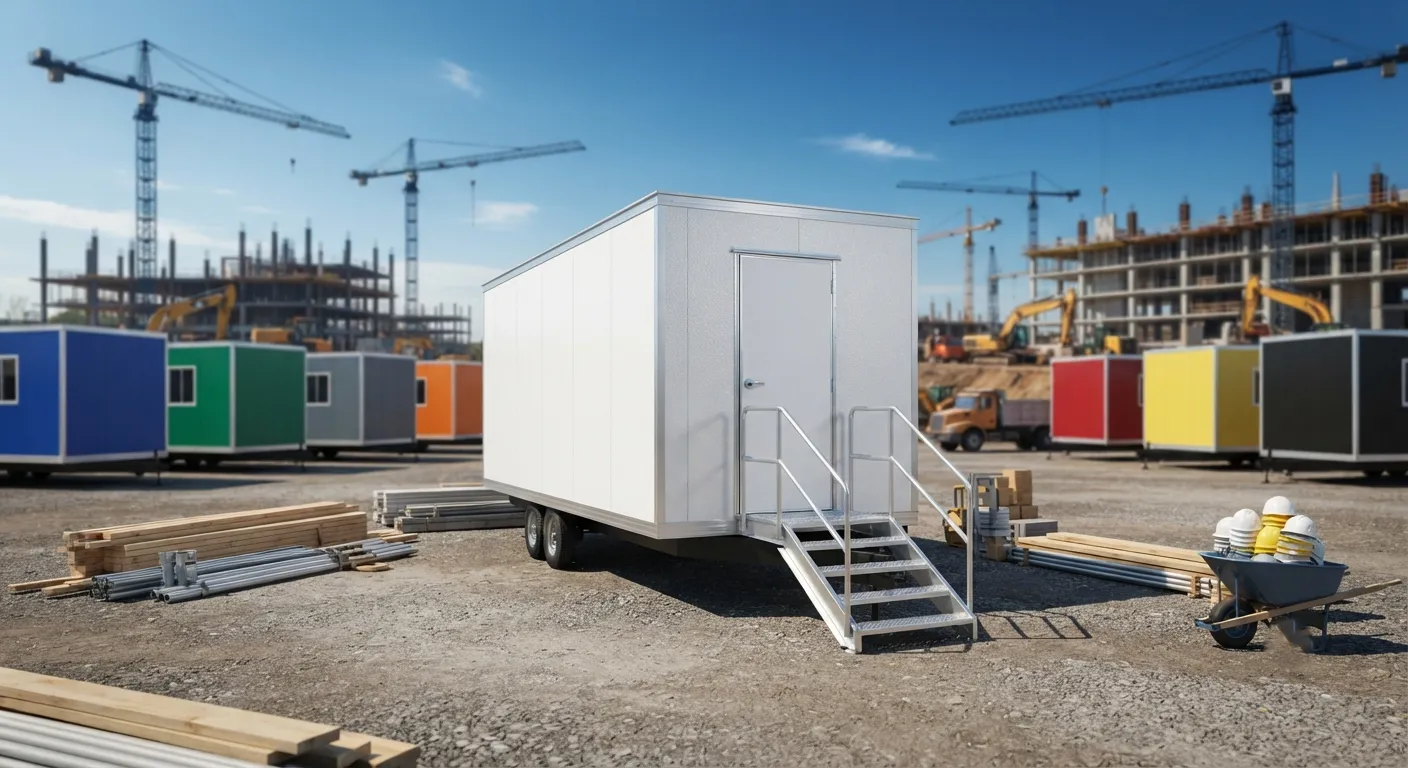
Fairs mix crowd types, so restrooms shouldn't be one-size-fits-all. Standard portable toilets handle the midway and grandstand overflow. A deluxe flushable unit works better near the beer garden or VIP seating, where people expect a sink and a real flush. For a fair with a wedding-style hospitality tent or a sponsor VIP area, a restroom trailer reads a lot nicer than a row of blue boxes, and an 8 stall trailer can absorb heavy weekend traffic without a line forming at every changeover. Handwashing matters more at a fair than almost any other event type, because livestock barns, food booths and petting zoos are all on the same grounds. 29 CFR 1910.141(d)(2) requires soap and towels or a hand-drying device at washing stations, not sanitizer alone, so we spec handwashing stations with that in mind near every barn and food row. A standard unit's 60 to 70 gallon holding tank covers moderate traffic between services, but fair crowds fill a tank faster than a jobsite does, so we typically service two or three times daily on peak days rather than the once-weekly baseline in ANSI/PSAI Z4.3. For livestock or 4-H barns specifically, check our farm and agricultural restrooms page, since animal areas have different wash-down and runoff needs than the midway.
Do we need permits for restrooms at a Boulder fairground event?
Fairground restroom placement in the public right of way or on city-managed parkland needs confirming with the City of Boulder before delivery trucks show up, since rules depend on the specific site and event permit. We don't guess at code numbers here. If your fair sets up on private agricultural land, requirements differ again. Our porta potty permit requirements page walks through what to ask the city, and our placement guide covers clearance and ground surface. A roll-off truck delivering units or hauling away event debris needs about 60 feet of straight clearance behind it, which matters on a fairground with tight barn rows and parked trailers. If your event also needs waste management for food vendors, pair restrooms with a roll-off dumpster, and check what cannot go in a dumpster before vendors start tossing fryer oil in with cardboard. Fairs with grease-heavy food booths sometimes need grease trap pumping if there's a commercial kitchen trailer on site. For crowd flow around the restroom cluster, a run of temporary fencing keeps lines orderly and keeps foot traffic off the accessible route. We also recommend temporary power near any hand-wash trailer that runs a pump.
How far in advance should we book fair restrooms?
Book 6 to 8 weeks out for a fair-sized order, since multi-day events compete for the same trailer and unit inventory as weddings and festivals in the same season. Boulder Porta Pros can move faster for smaller add-on orders, but full fairground layouts need lead time for the site walk.
Can we get restrooms serviced more than once a day during the fair?
Yes. High-traffic fairs usually need two to three services daily rather than the standard once-weekly interval, especially near food rows and beer gardens. Tell us your daily attendance curve and we build the service schedule around peak hours, not a flat default.
What's the difference between renting for a county fair versus a construction site?
Fair rentals need more units per person, faster servicing, and ADA-compliant placement near a real accessible route, while construction rentals follow OSHA 1926.51(c) crew ratios with weekly service. See our OSHA portable toilet requirements page for the construction-side rules.
Do fairground restrooms need to be ADA accessible?
Yes, at least one unit per cluster, and 5 percent of any larger cluster, per ADA Standards 213.2. We check door width against ADA Standards 404.2.3 and confirm reach ranges under ADA Standards 308.2.1 during placement.
How much does a multi-day fair restroom order cost?
It depends on unit mix and service frequency, but a weekly standard unit rental generally runs $130 to $500. Request a quote with your attendance numbers and we'll price the full layout, trailers included.
Next step
Get a delivery date
Tell us the address, the dates and the headcount. We size the order and confirm the route.