
How Does a Standard Porta Potty Work?
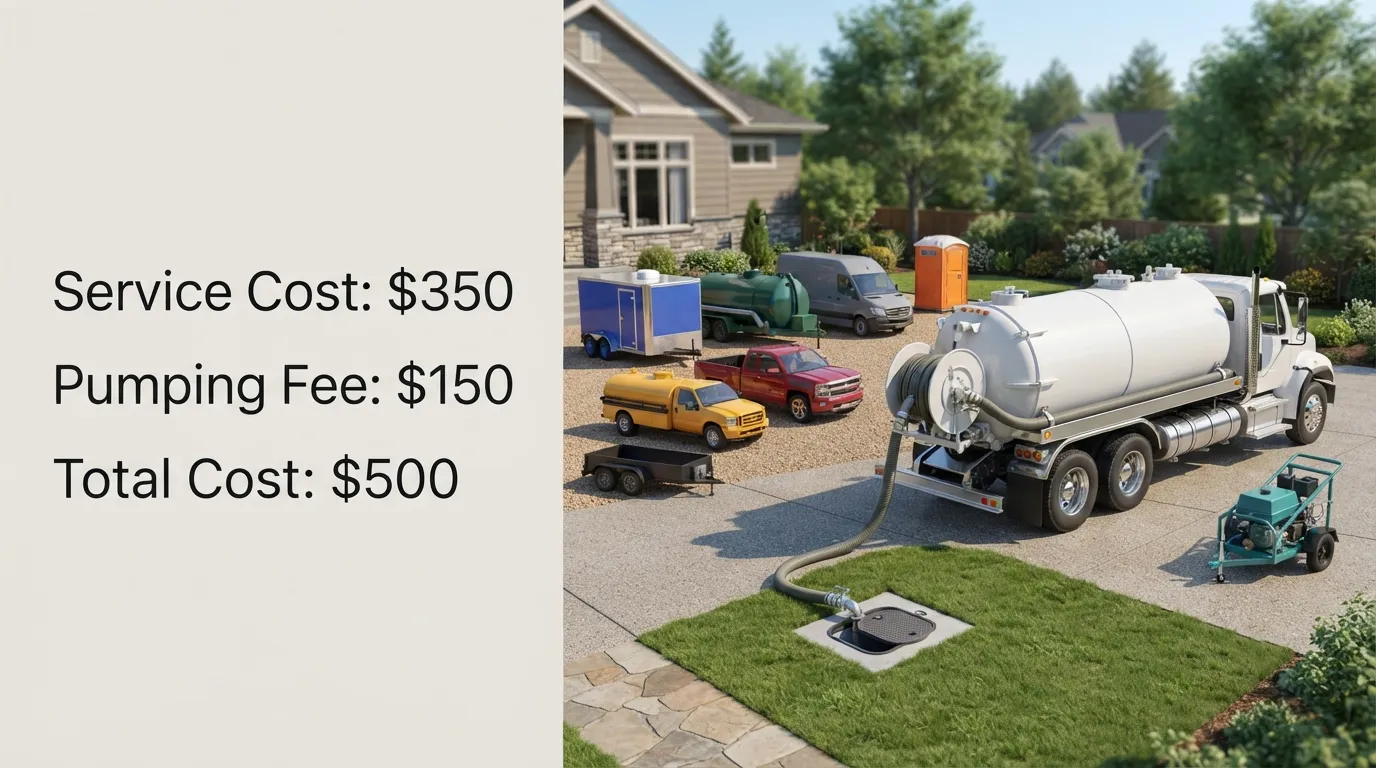
The unit is simple by design. Waste drops into the holding tank, and a blue or green chemical solution goes to work breaking down solids and controlling odor. There is no flush handle on a basic standard porta potty rental, just a vented tank and a seal that keeps smell down between uses. A standard unit runs about 44 by 48 inches on the ground and stands close to 92 inches tall, so it fits in a driveway, a job site corner, or a tight spot near a Boulder trailhead lot. Ventilation stacks pull air up and out rather than into the stall. For anyone picturing the construction worker running to a porta-potty on break, that speed only works because the door latches fast and the unit needs no hookup. Pricing for short runs is covered on the porta potty rental cost page, and day rates are broken down further on porta potty rental per day.
How Do Flushable Porta Potties Work?
A deluxe or flushable unit adds a foot pump or hand pump that pulls fresh water from a small onboard reservoir and pushes it through the bowl, similar to a boat or RV toilet. Waste still goes into a holding tank, just like the standard version, but the fresh-water flush cuts odor more and the interior often includes a sink. That is also how a portable sink works on its own: a foot pedal or hand pump draws from a clean water tank, wastewater drains to a separate gray tank, and nothing hooks into county water lines. See the deluxe flushable porta potty page for unit details, or portable sink rental if you need handwashing separate from the toilet. Camping and remote-site versions work the same way; a camping porta potty just trades the trailer footprint for something a crew can carry, covered under camping porta potty. ADA units use the same core mechanics but add a wider door and interior turning space per ADA Standards section 304.3.1, which calls for a 60 inch turning circle; details are on the ADA accessible porta potty page.
What Chemicals Keep a Porta Potty From Smelling?
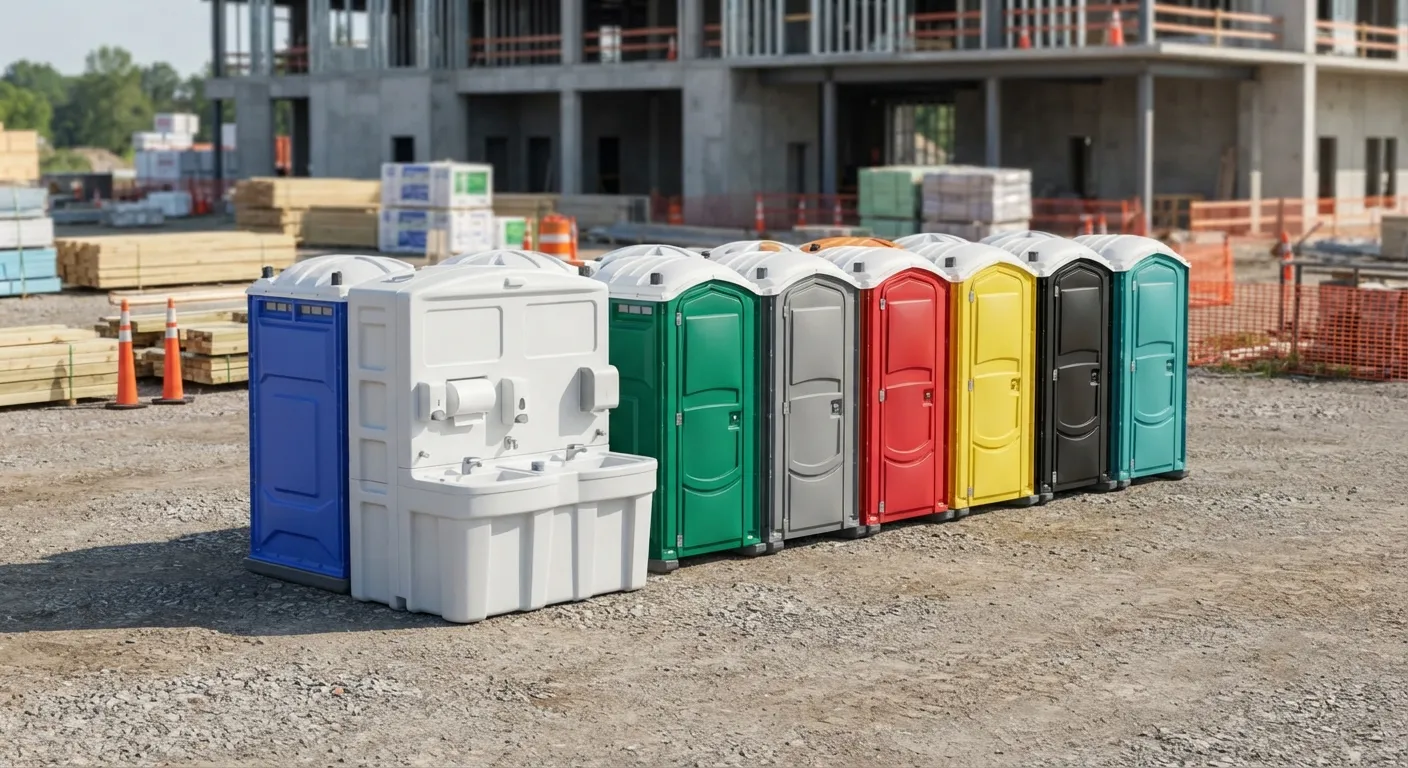
The blue liquid in the tank is a deodorizing and digesting chemical, usually a formaldehyde-free blend now, built to break down waste and mask odor between pump-outs. It is not a cleaning product for the toilet's exterior, and it is not interchangeable with septic tank cleaning chemicals used in a home system, which are formulated for a buried 1,000 gallon tank rather than a portable holding tank. Anyone searching "portable toilet chemicals near me" is usually asking about restocking a unit they own outright rather than servicing a rental, since Boulder Porta Pros handles chemical loads as part of the standard service interval. That interval follows the baseline in ANSI/PSAI Z4.3, one service visit per week for up to 10 users across a 40 hour week, though busy sites often need more frequent visits. For ongoing questions about smell control, see do porta potties smell and how often are porta potties cleaned.
Where Should a Porta Potty Be Placed on a Job Site?
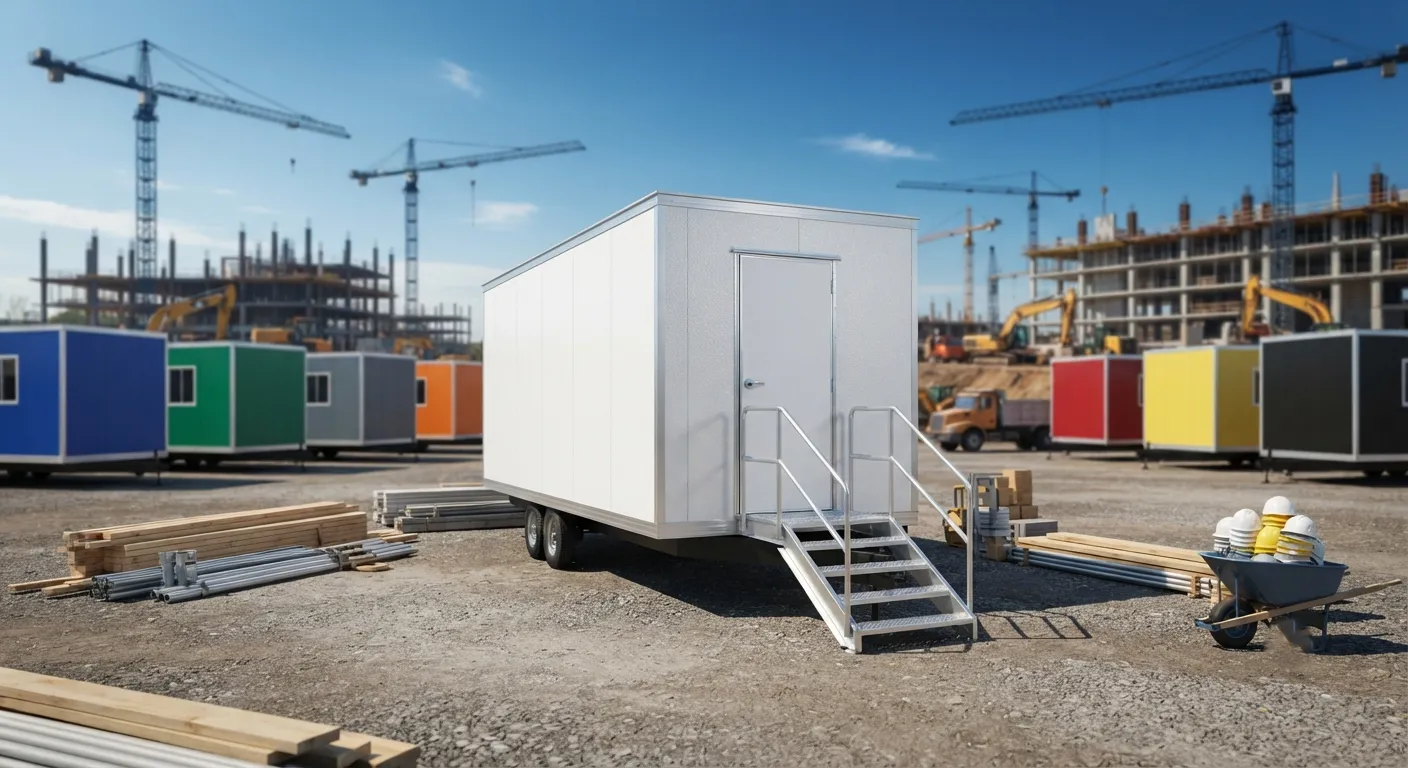
Placement matters more than most renters expect. OSHA 1926.51(c) sets toilet counts for construction sites: one toilet for 20 workers or fewer, one toilet seat and one urinal per 40 workers once the crew passes 20, and one per 50 workers at 200 or more. That ratio drives how many units a Boulder job site needs; the how many porta potties do i need guide walks through the math, and OSHA portable toilet requirements covers the full standard. Delivery trucks need clear, level ground; a roll-off delivery needs roughly 60 feet of straight clearance behind the truck, and porta potty placement benefits from similar access. If a unit sits in the public right of way anywhere in Boulder, that placement needs confirming with the city; check porta potty permit requirements before locking in a spot. For general layout logic, see the porta potty placement guide. Sites in nearby Lafayette, about 10.1 miles east, or Louisville, 9.4 miles southeast, follow the same OSHA math regardless of city line.
| Rental length | Standard unit price |
|---|---|
| Day | $100 to $350 |
| Week | $130 to $500 |
| Month | $125 to $325 |
Monthly renters comparing job-site math against long builds should look at monthly porta potty rental before committing to a shorter term.
How long does a porta potty tank last before it needs pumping?
It depends on use, not time. A 60 to 70 gallon tank serving light weekend traffic can go days; a busy construction crew fills it faster. Boulder Porta Pros schedules service around actual headcount rather than a fixed calendar, following the same logic behind ANSI/PSAI Z4.3's weekly baseline.
Do porta potties need electricity or water hookups?
No. That is the entire point of the design. Standard and flushable units both run on onboard tanks and gravity or hand pumps, which is why they show up at remote sites, farm fields, and Boulder job sites with no utility access at all.
Can I get a porta potty with a sink attached?
Yes, deluxe units typically include a small attached sink with its own water reservoir. If you need handwashing separate from a toilet, a standalone handwashing station rental or hand sanitizer station rental covers that without renting extra toilet units.
Is a porta potty the same thing as a septic system?
No. A septic system is a buried tank tied to a building's plumbing, pumped every 3 to 5 years depending on size and household. A porta potty is a standalone tank with no hookup, serviced on a rental schedule instead. See septic pumping service for the buried-tank side of that comparison.
What happens to the waste after pump-out?
Boulder Porta Pros vacuums the holding tank into a service truck and hauls it to an approved treatment facility, the same process used for grease trap pumping and residential septic work, just on a different schedule and volume.
Next step
Get a delivery date
Tell us the address, the dates and the headcount. We size the order and confirm the route.